APAC SMM

APAC SMM. The opportunity most global programs are missing

A Strategic Meetings Management Program (SMMP) can quickly become complex, largely because it touches almost every part of an organisation’s ecosystem.
But at its core, SMM is actually quite simple.
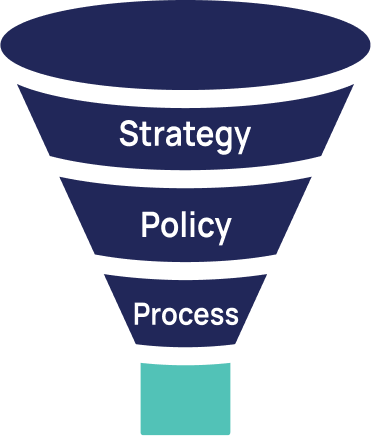
It is the process of bringing together all meetings and events activity across an organisation and applying a clear, overarching strategy, one that aligns with broader business objectives. This includes establishing consistent processes, improving visibility, and creating a structured approach to how meetings and events are planned, managed, and measured.
When done well, SMM allows meetings and events to be managed as a distinct and strategic category, one that contributes meaningfully to overall business performance.
Historically, SMM programs have been driven by a focus on cost savings and compliance. These elements remain important, but the role of SMM is evolving.
Increasingly, organisations are shifting their focus toward the broader value that meetings and events can deliver, supporting business objectives, enhancing stakeholder experience, and enabling more effective engagement both internally and externally.
Looking ahead, this evolution is expected to continue.

Future-focused SMM programs are likely to place greater emphasis on:

  • Data-led decision making
  • Integration across travel, procurement, and technology ecosystems
  • Stakeholder (internal and external) experience and engagement
  • Alignment to wider organisational strategy

In this context, SMM moves beyond process and control—it becomes a capability that helps organisations operate with greater clarity, consistency, and impact.
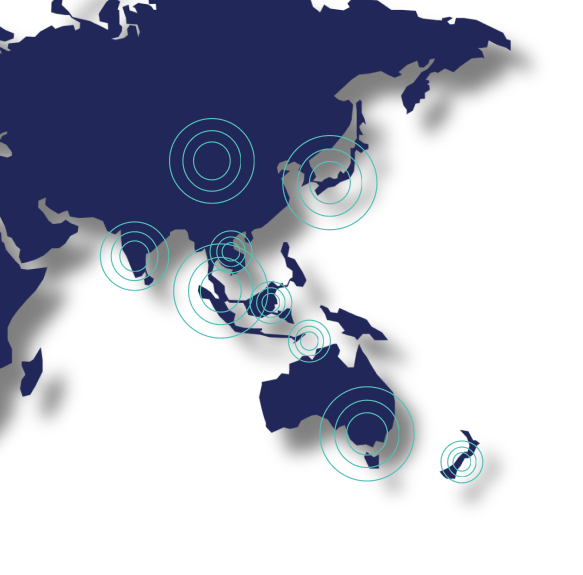
APAC represents around 60% of the world’s population, accounts for approximately 50% of global business travel growth, and includes 4 of the top 10 business travel markets by volume

 It is a region of significant scale – and rapid growth.
But scale is only part of the story.

What makes APAC truly unique is its diversity. What is happening in China is vastly different to Japan, which is different again to India. Each market operates within its own cultural, regulatory, and commercial context.

In reality, APAC is not one market, it is a collection of highly distinct and independent markets. Each with its own way of doing business, its own expectations, and its own level of maturity.
This complexity has a direct impact on how Strategic Meetings Management programs are implemented.

Approaches that work well in more standardised regions such as North America or Europe do not always translate effectively across APAC. Global frameworks often require thoughtful adaptation to reflect local realities, otherwise adoption can be slow and outcomes inconsistent.

Successfully navigating SMM in APAC requires a more nuanced approach, one that balances global consistency with local flexibility, and strategy with on-the-ground understanding.

For organisations willing to take this approach, the opportunity is significant.

Tips for success


Expanding a Strategic Meetings Management program into Asia Pacific presents significant opportunity, but it also requires a different way of thinking.
Based on experience, there are a few key considerations that can make a meaningful difference..

1. APAC is not one market

Each market operates differently, culturally, commercially, and operationally. A single, standardised approach is unlikely to land effectively across the region without adaptation.

2. Relationships matter more than process

While frameworks and governance are important, progress in many APAC markets is driven by trust and relationships. Taking the time to build these is critical to long-term success.

3. Start with understanding, not implementation

Before introducing new processes or tools, it’s important to understand what already exists locally. Many markets are already operating effectively, just in different ways.

4. Balance global consistency with local flexibility

Global standards provide structure, but overly rigid models can limit adoption. The most effective programs allow for regional nuance while maintaining overall alignment.

5. Plan for a different pace

SMM adoption in APAC often follows a different trajectory. Building momentum may take longer, but when it lands well, it tends to be more sustainable.

Those who have

trusted us

/ testimonials

Start a conversation

Start a conversation